No products in the cart.
Zenu
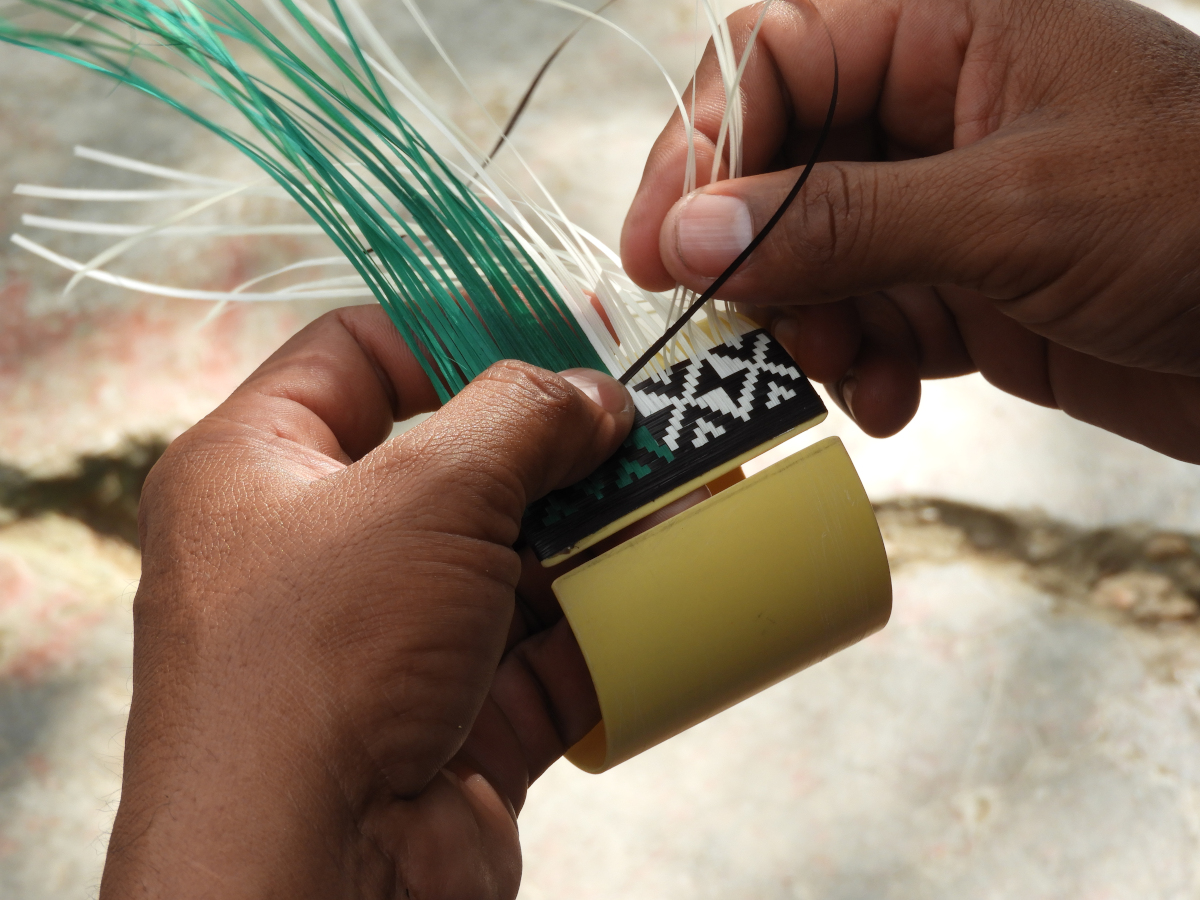
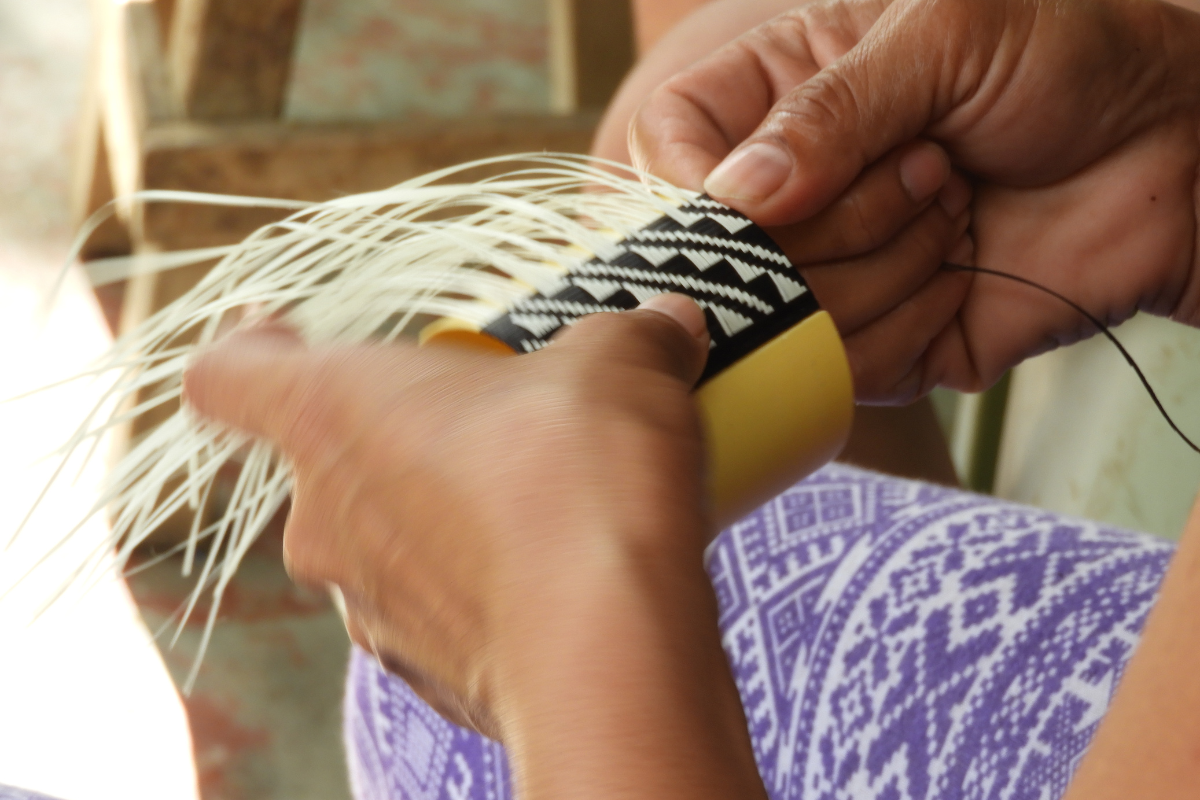
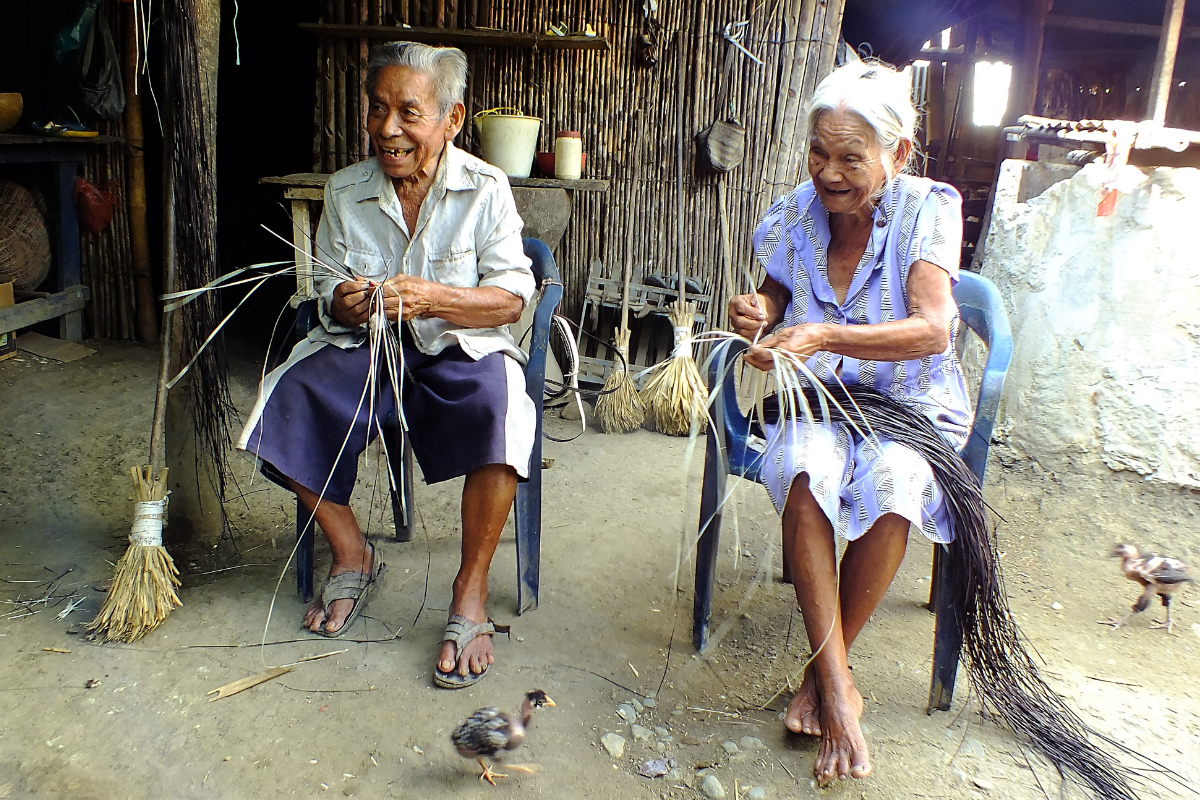
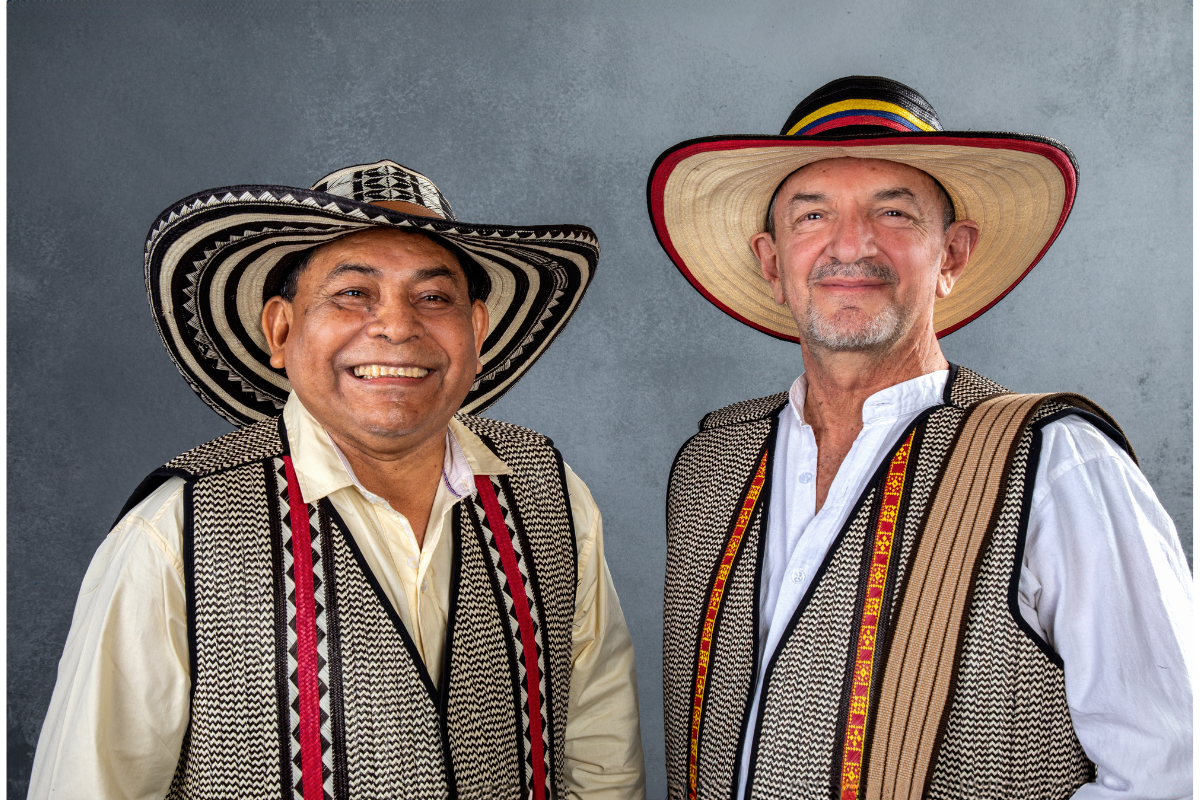
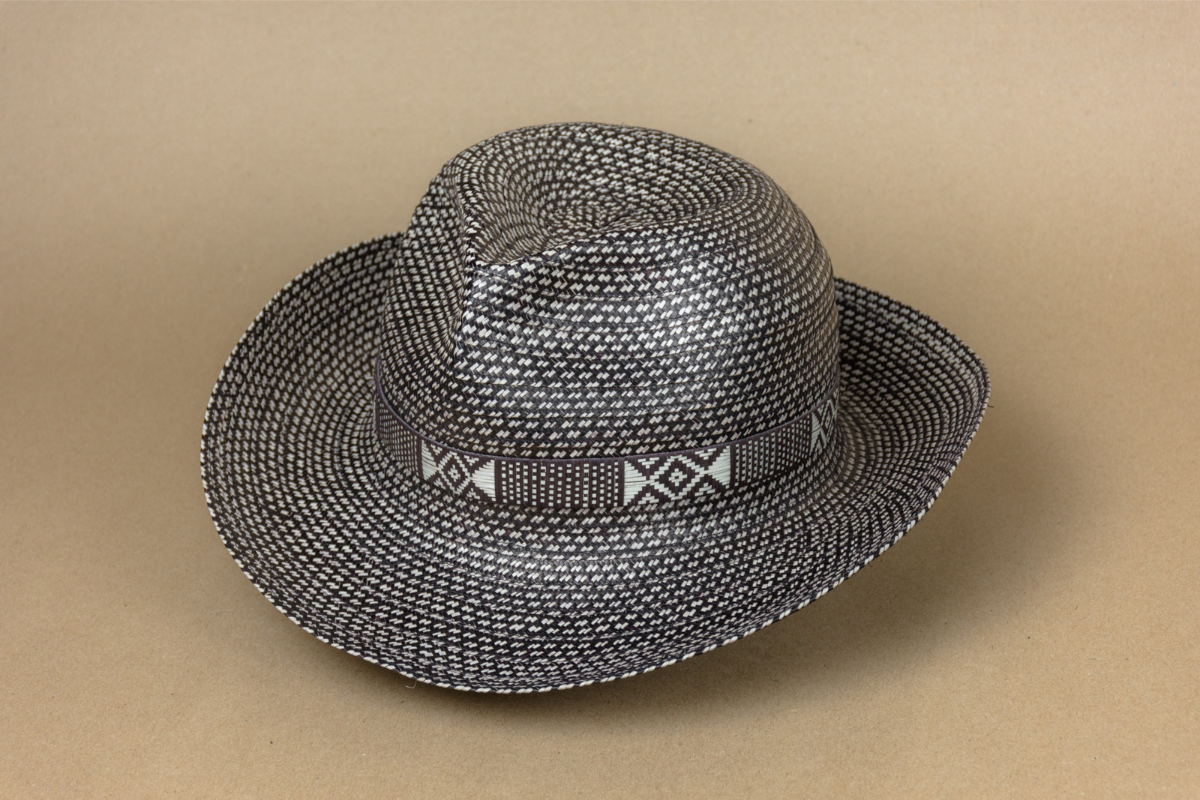
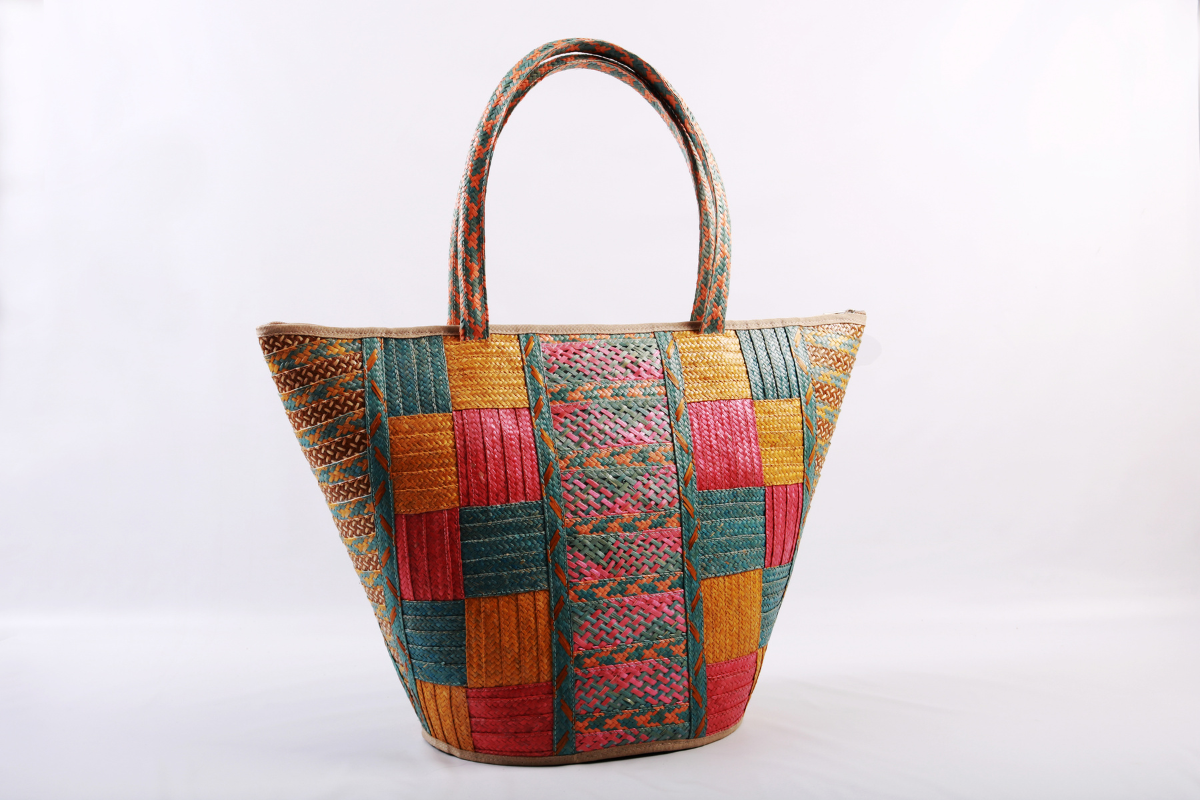
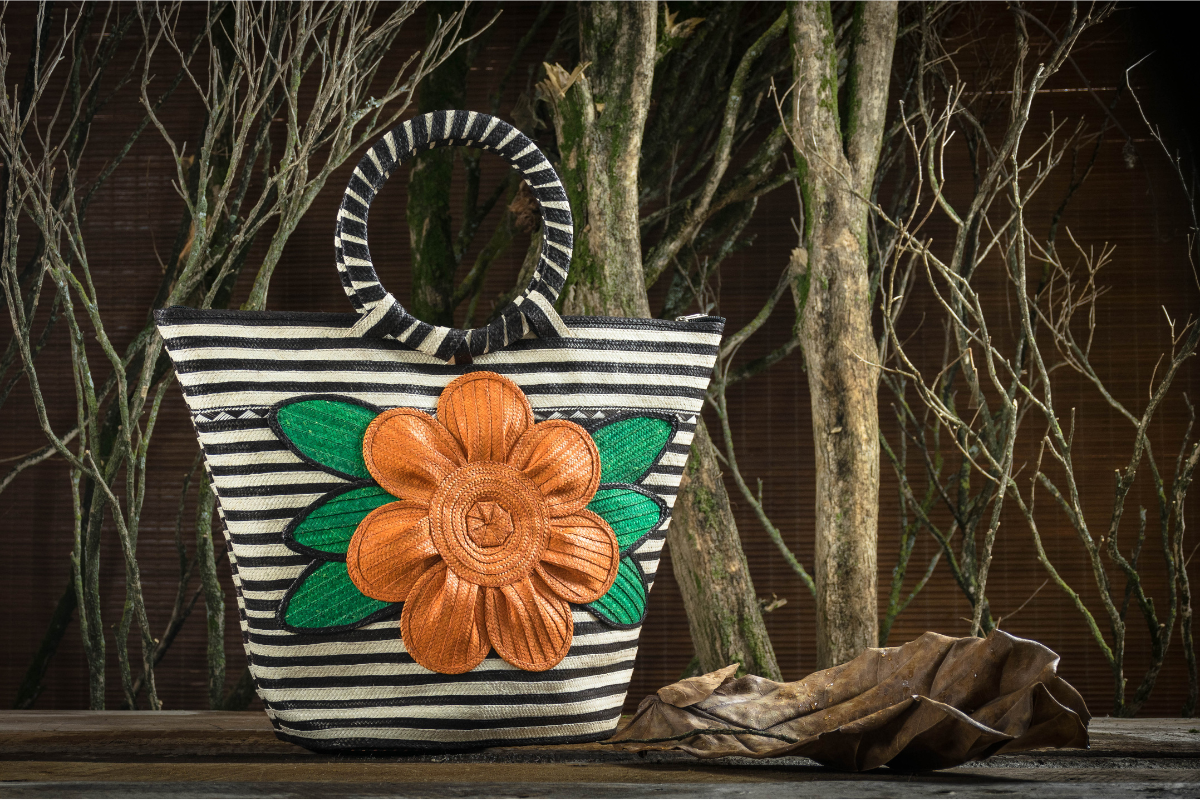
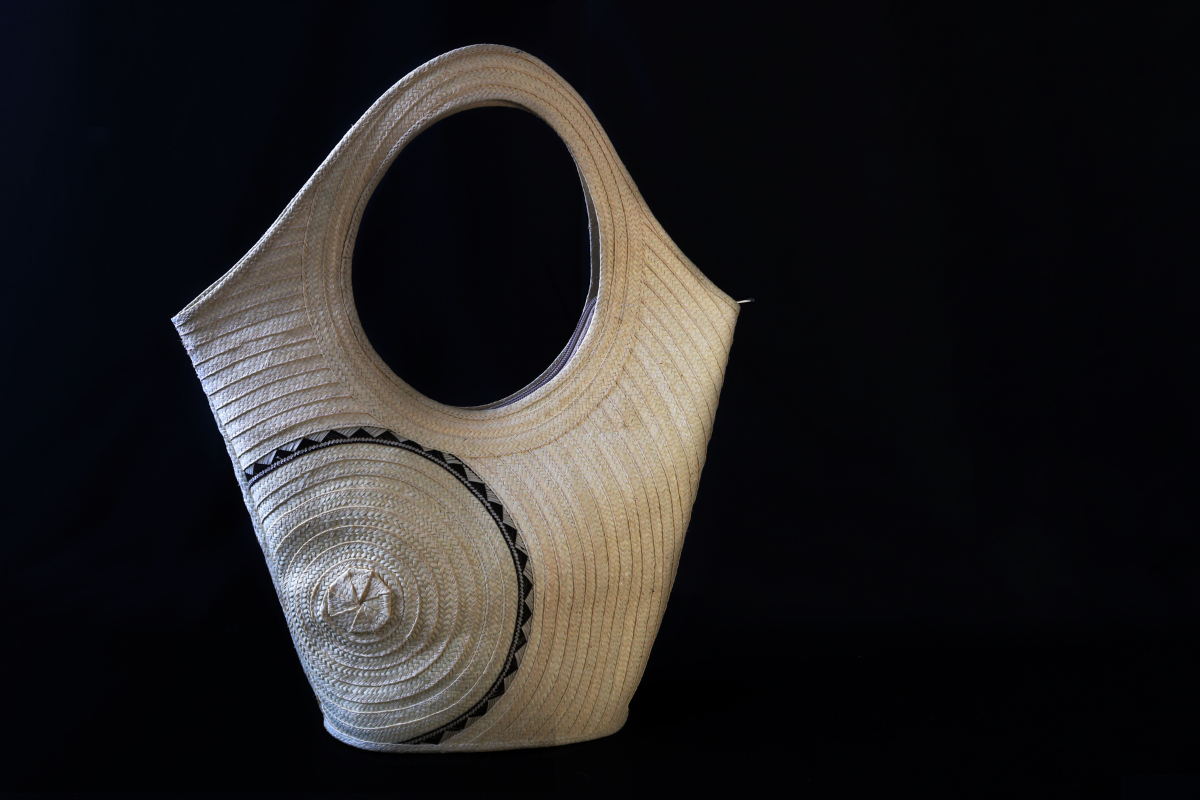
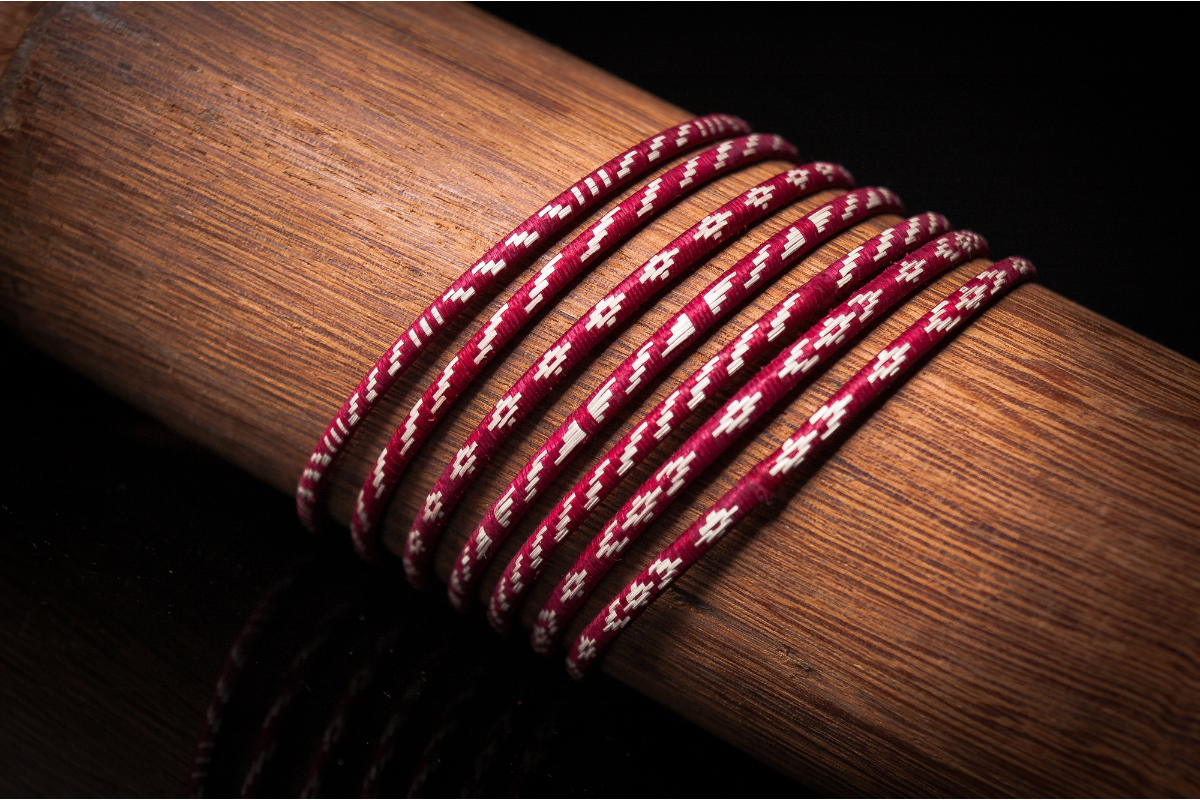
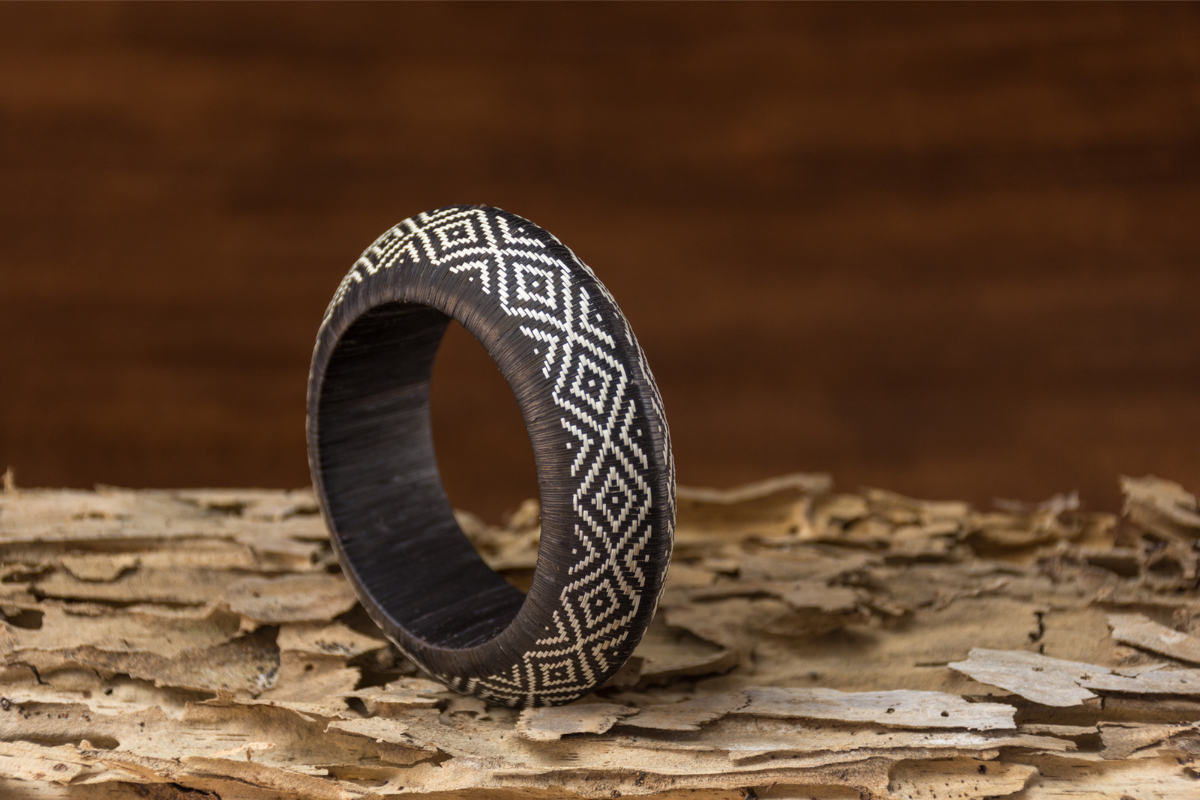
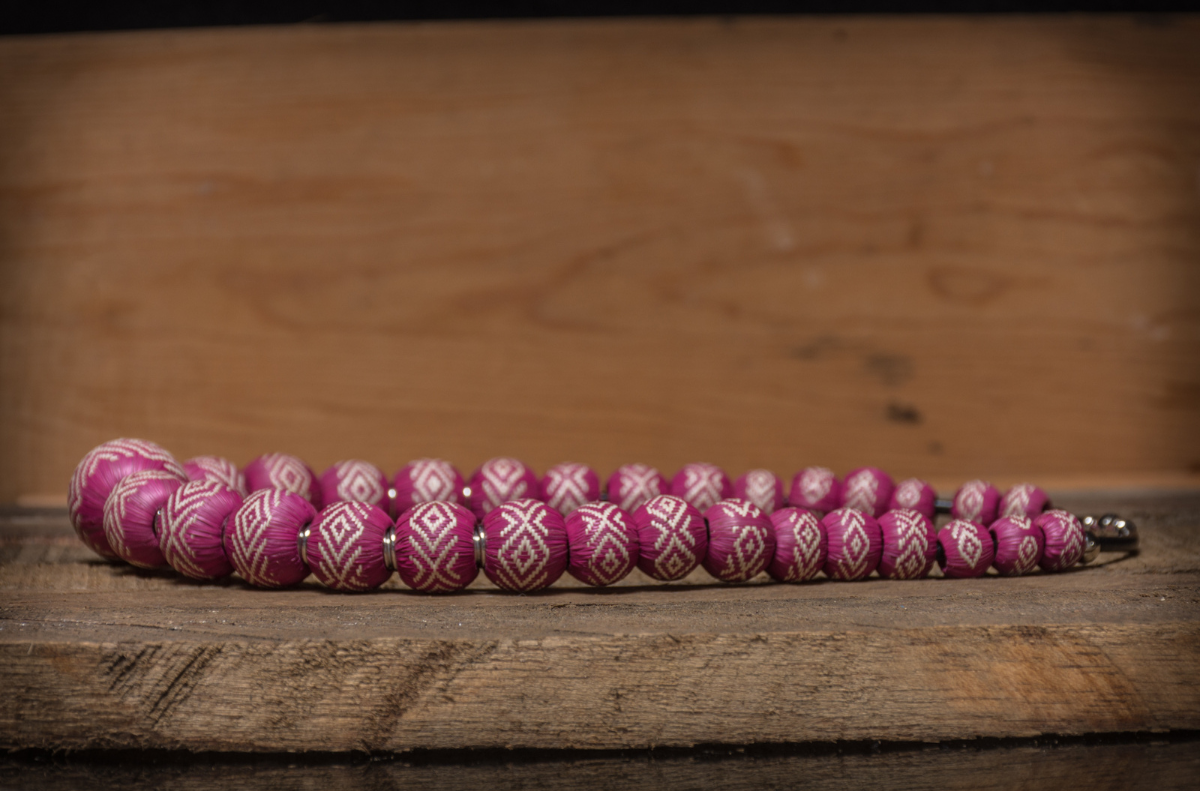
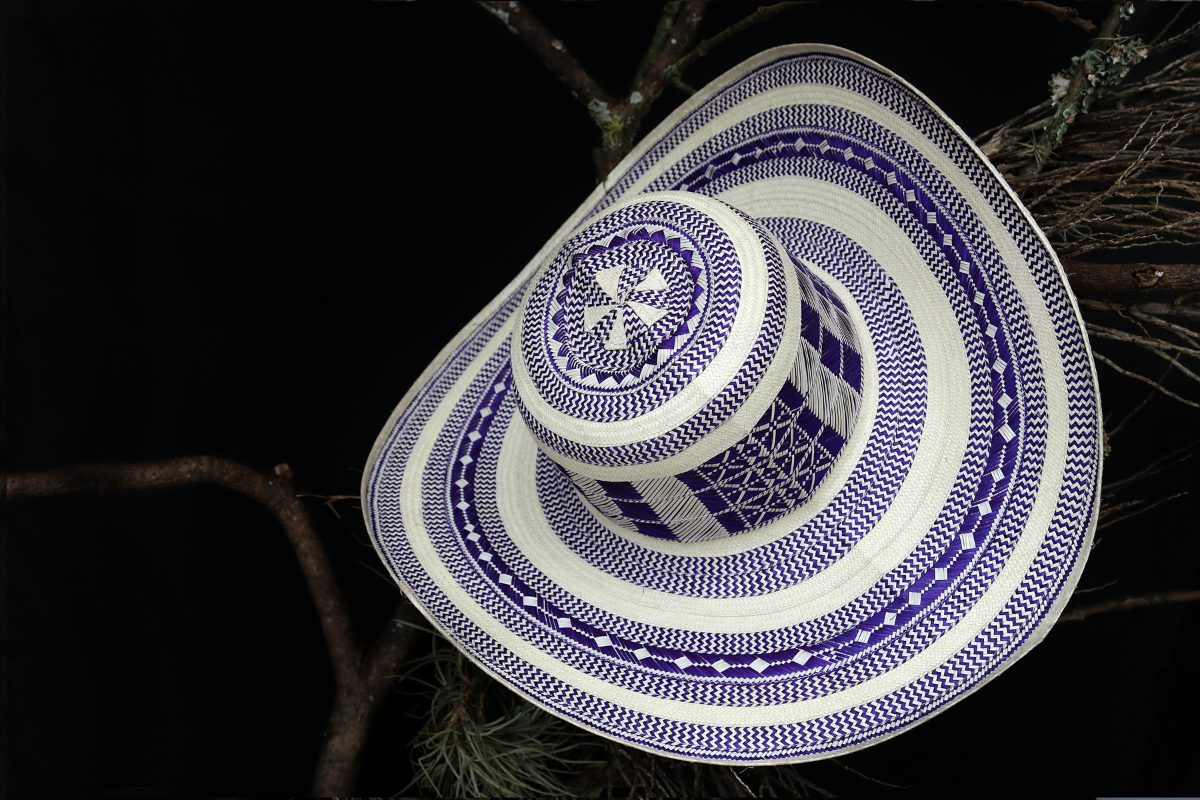
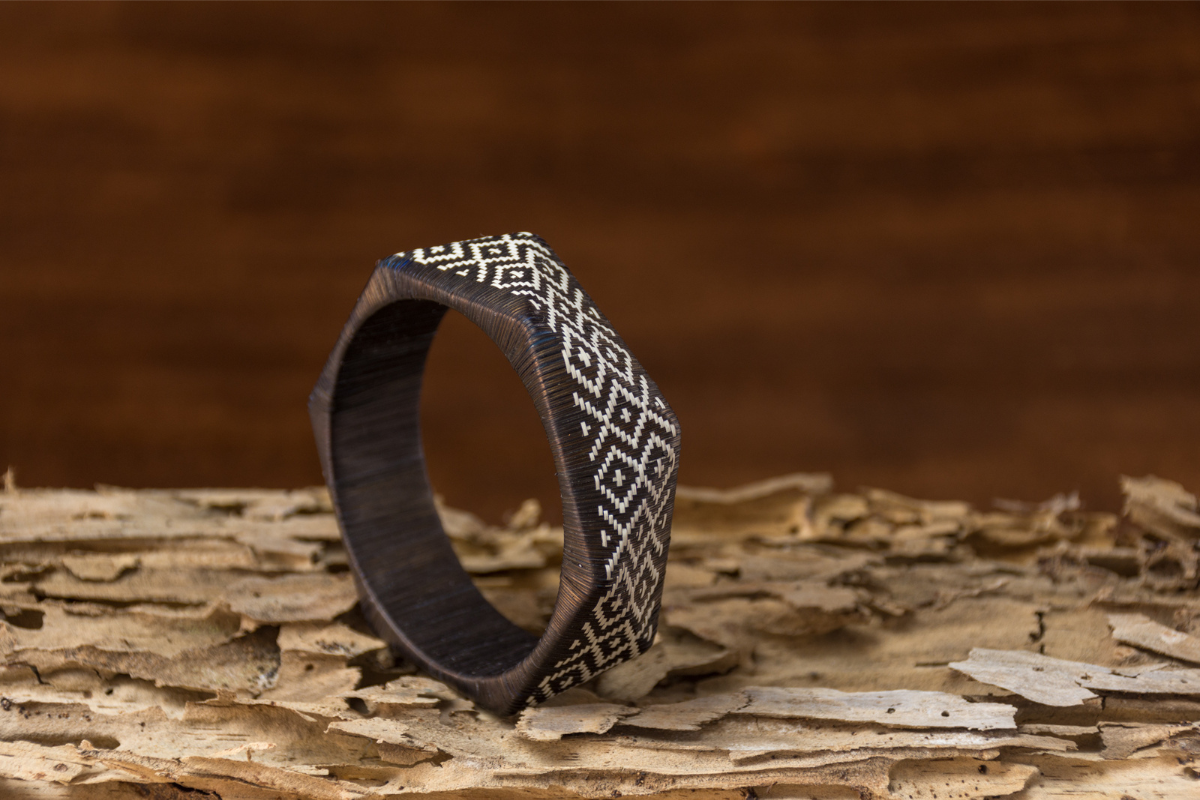
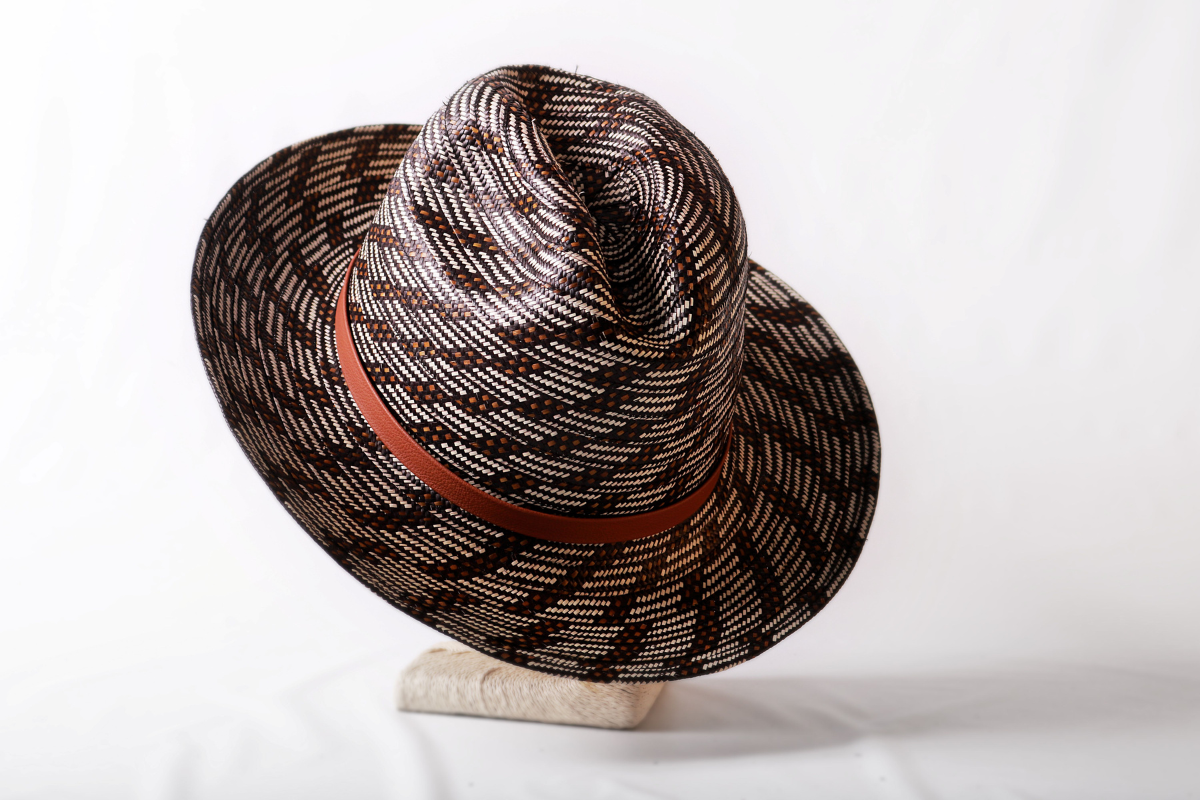
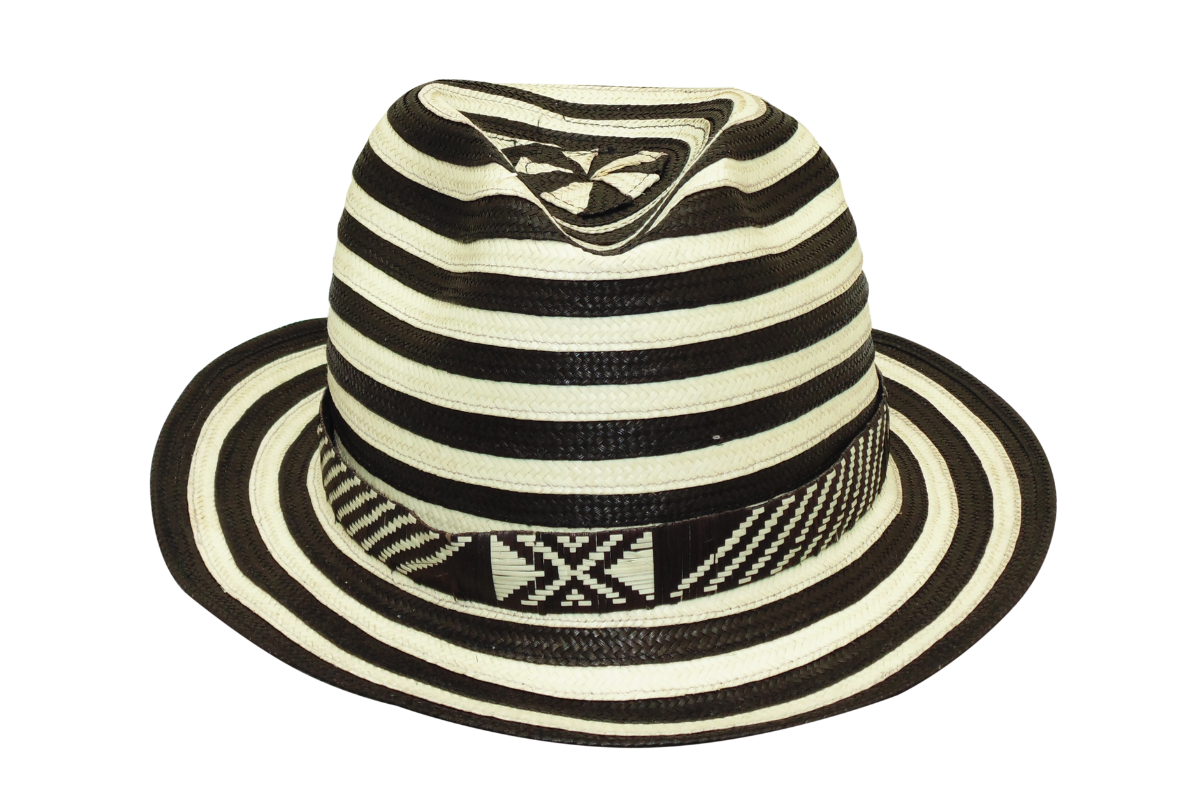
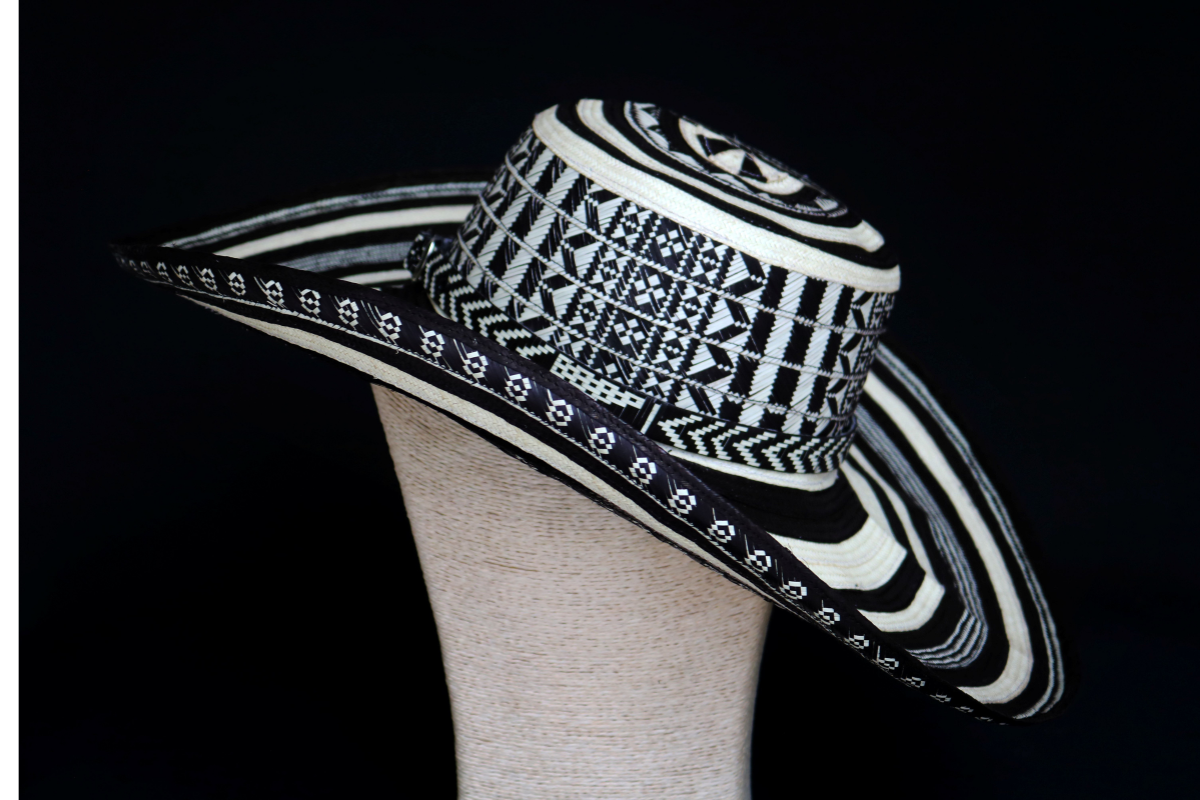
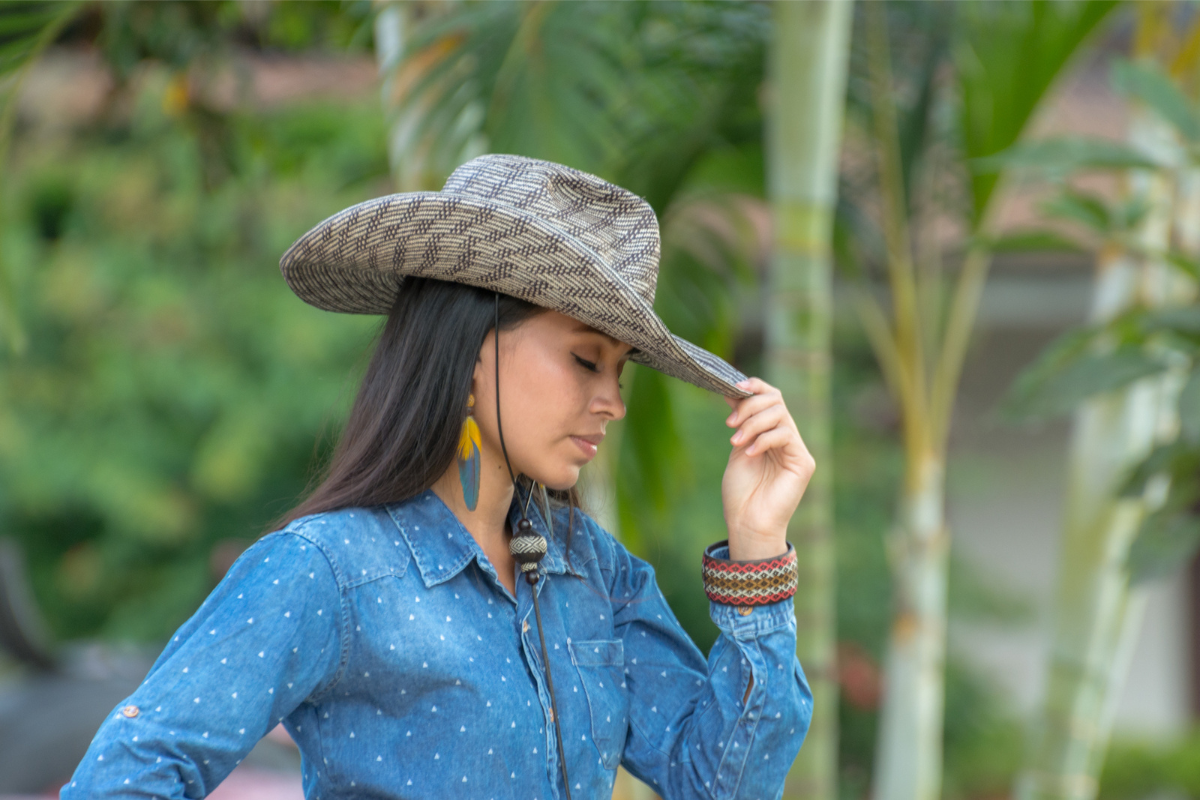
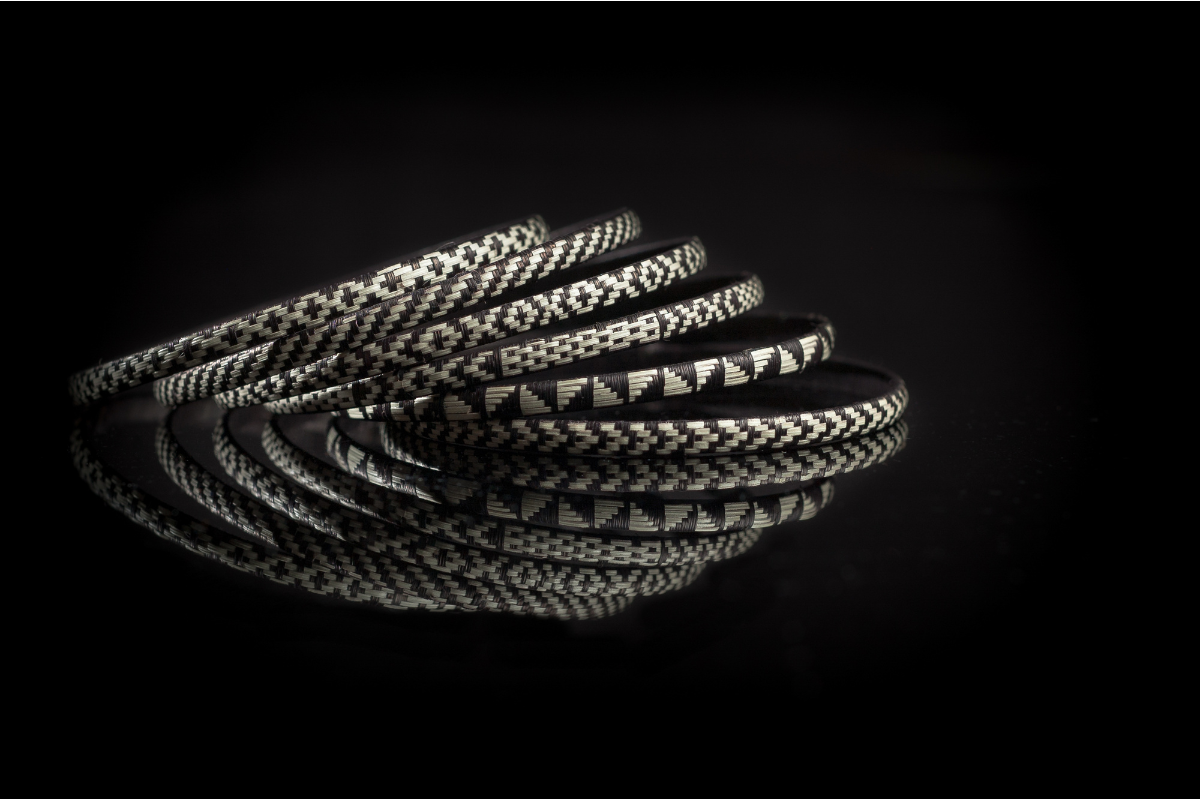
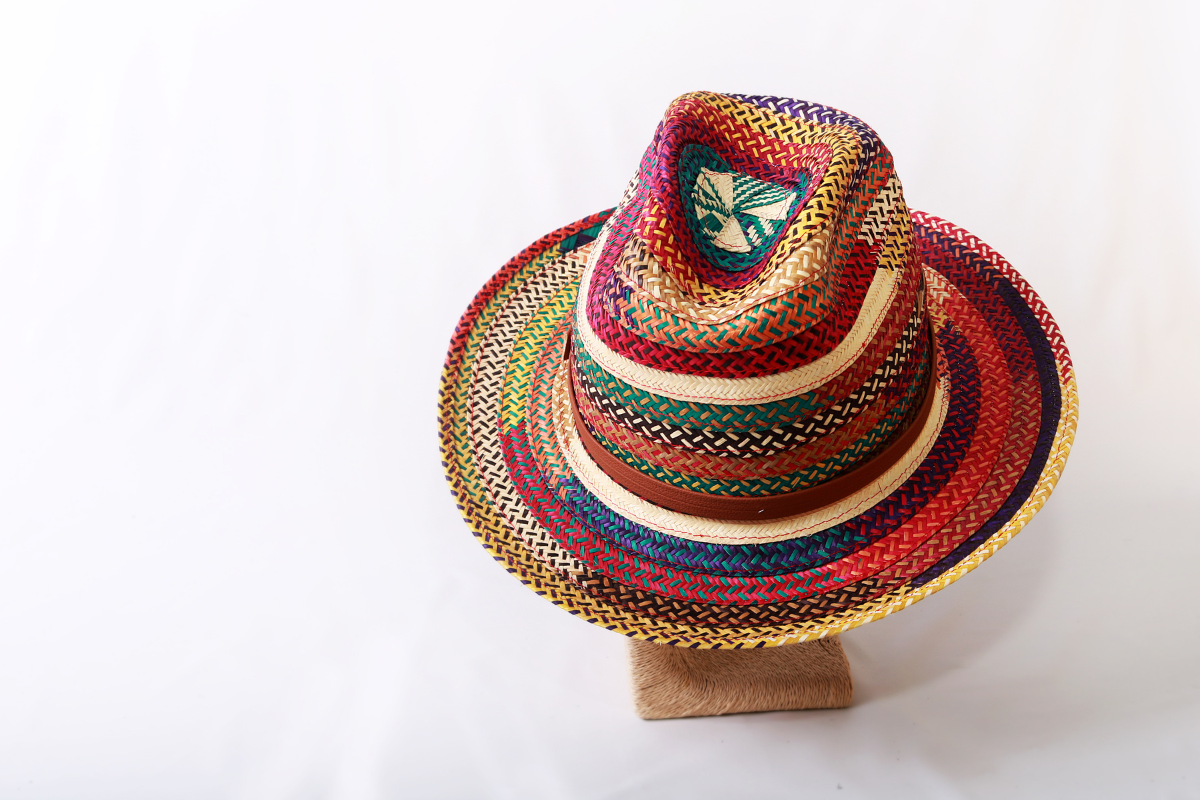
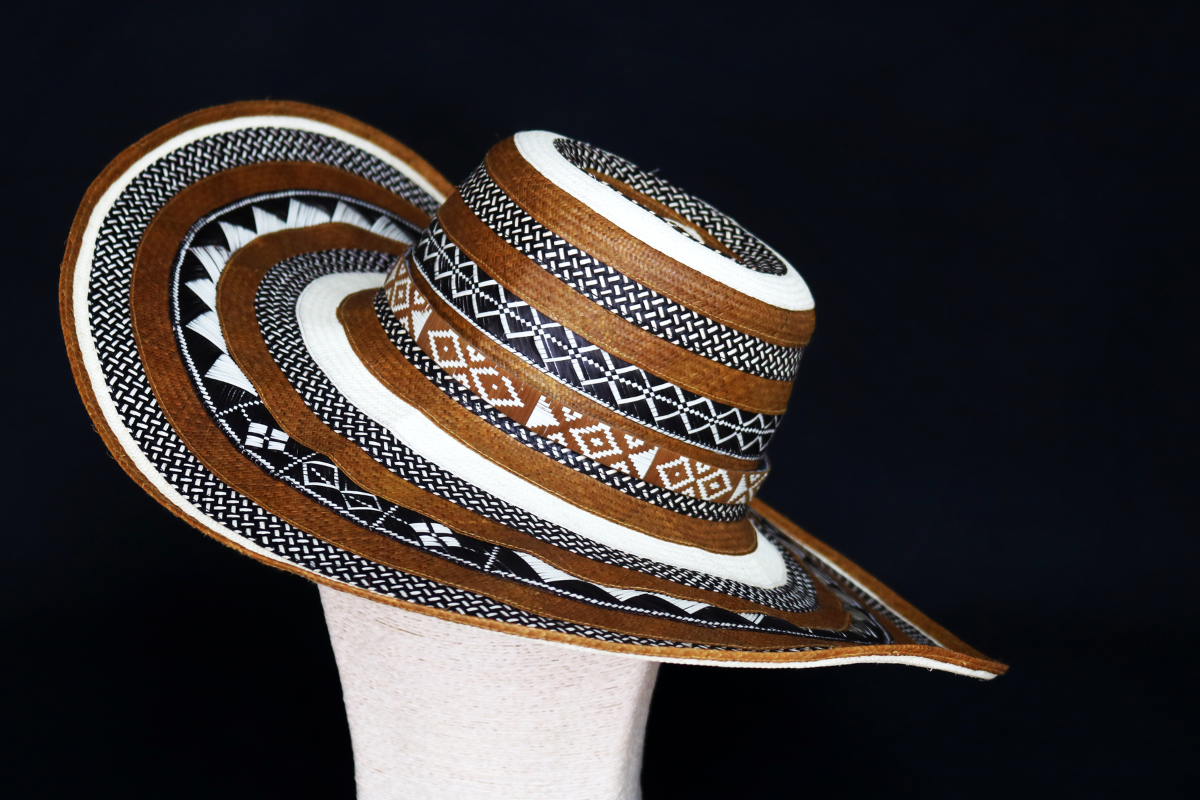
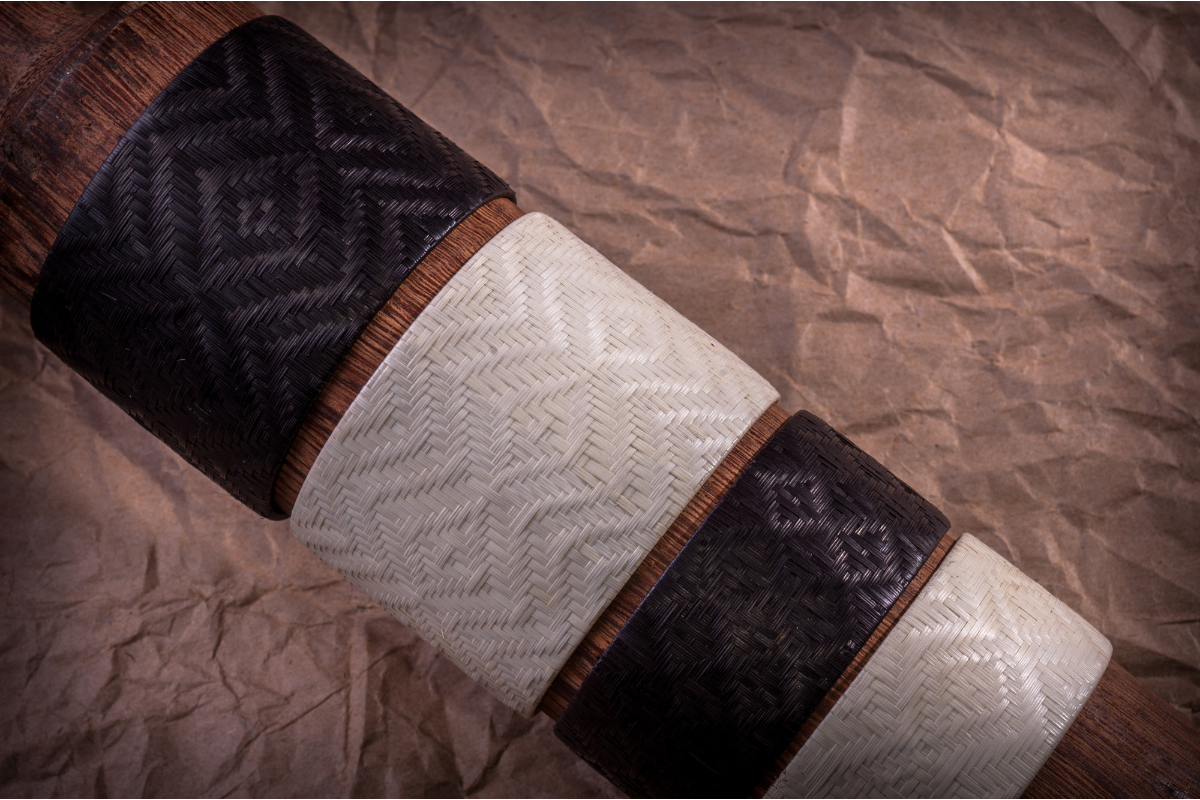
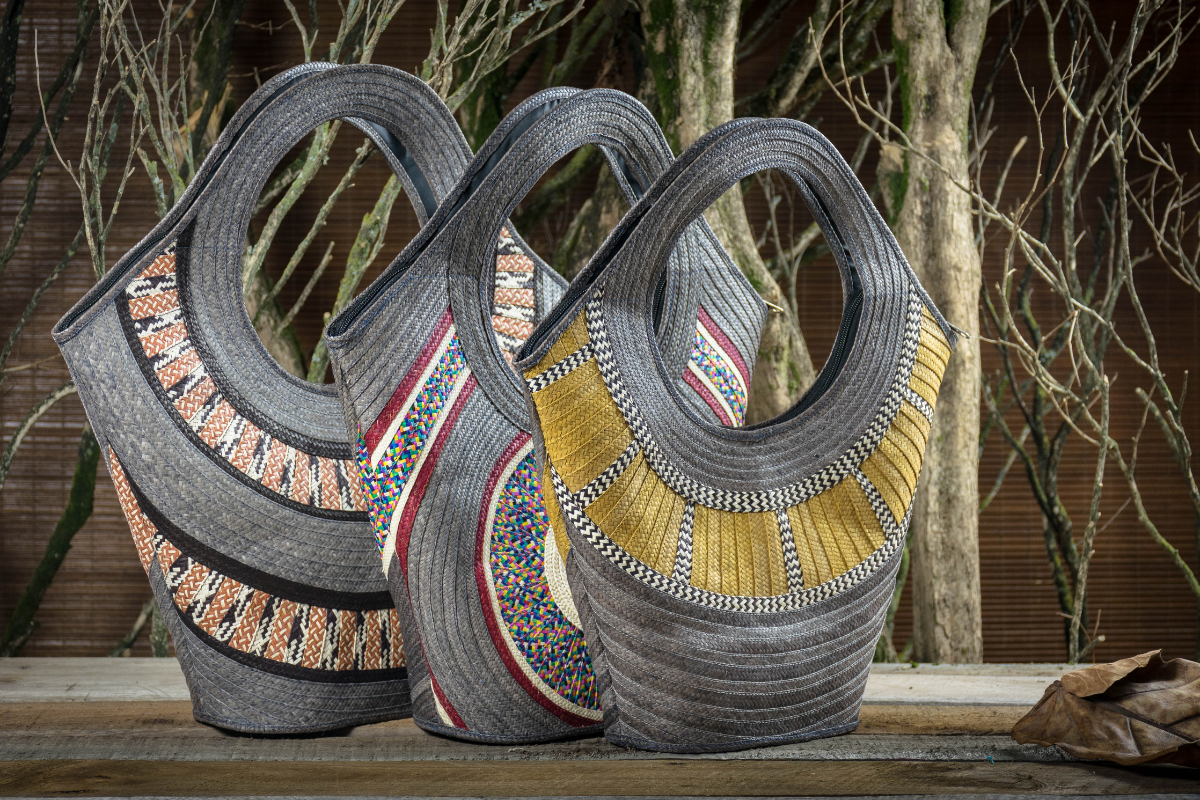
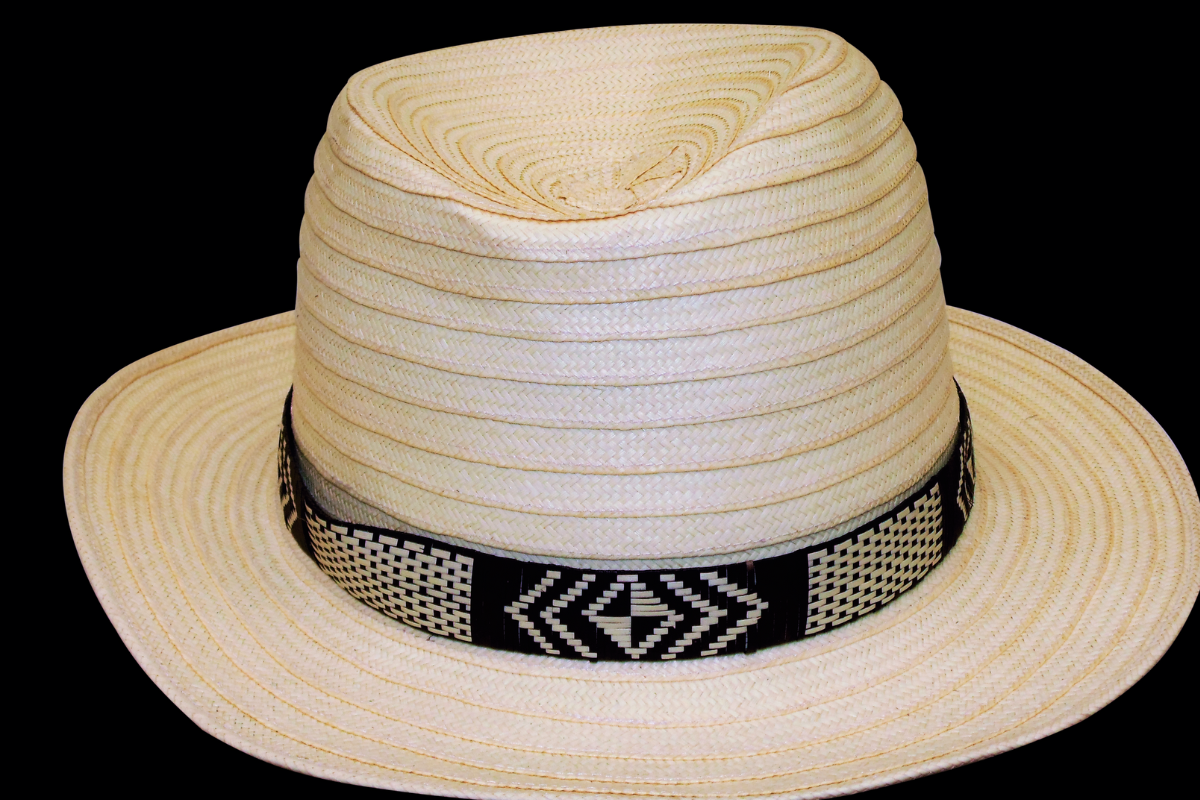
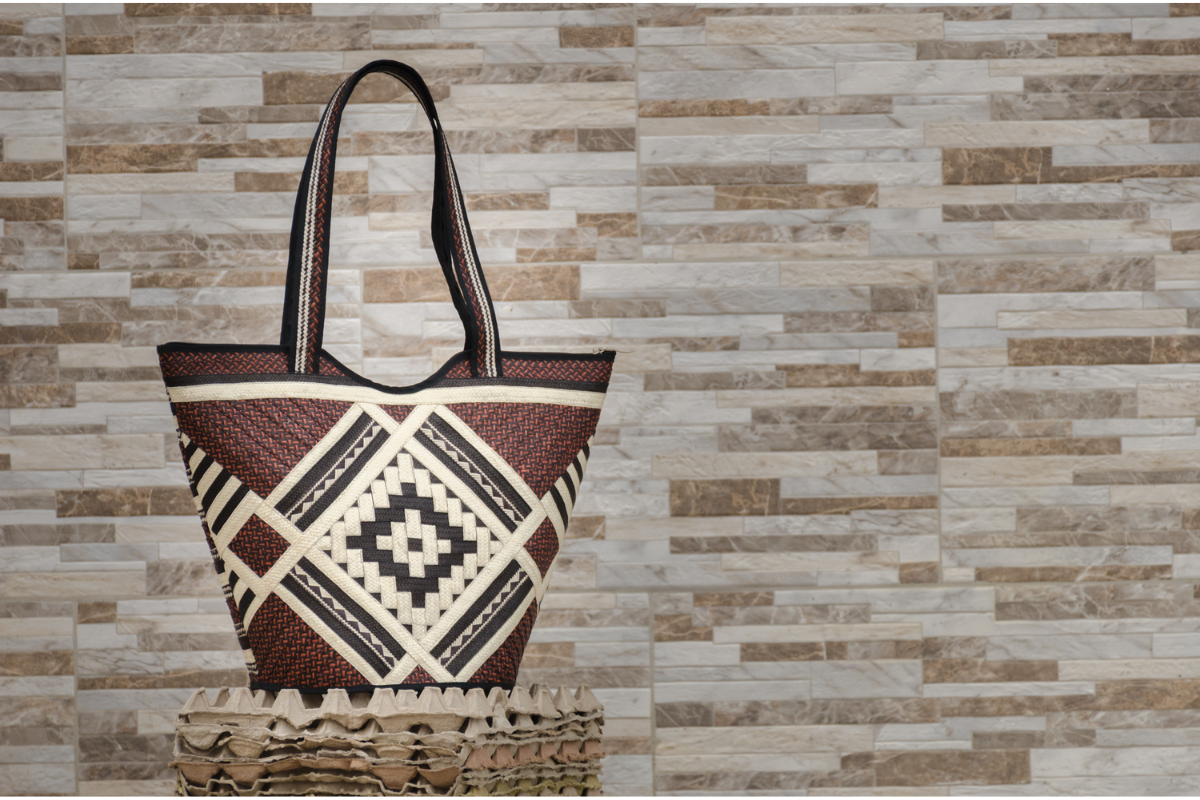
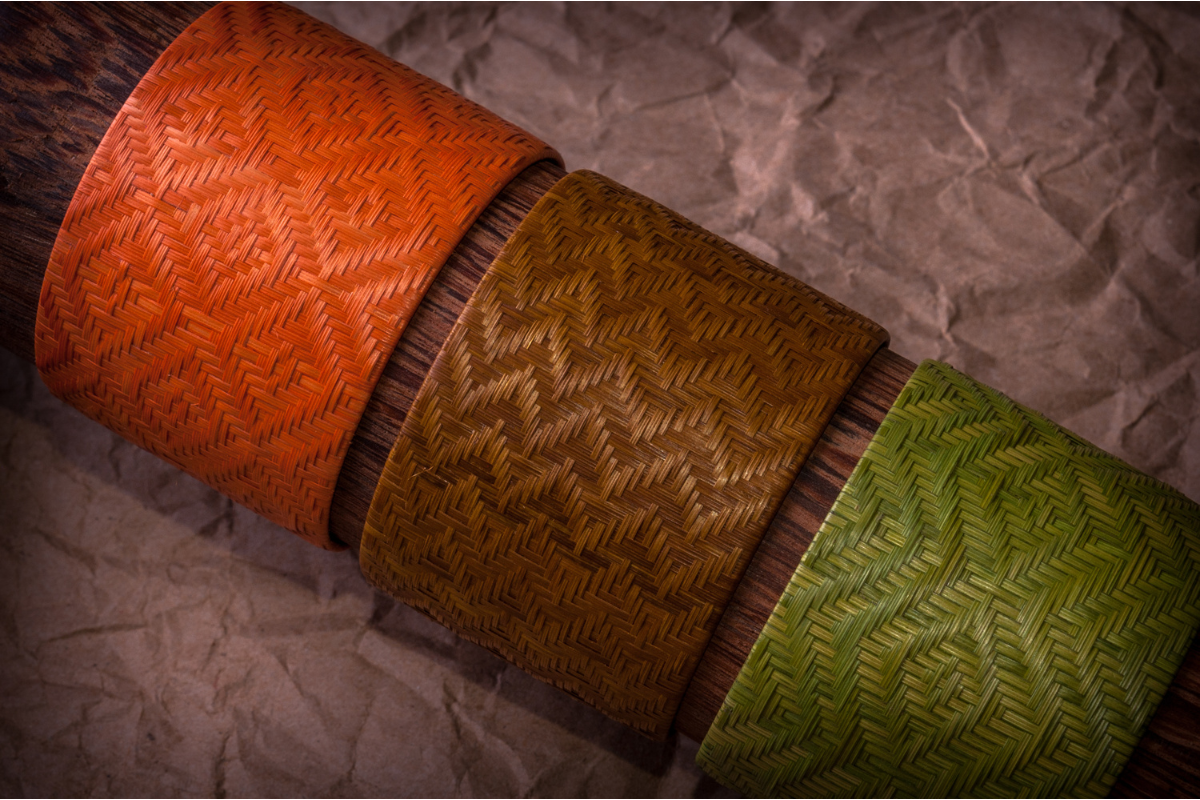
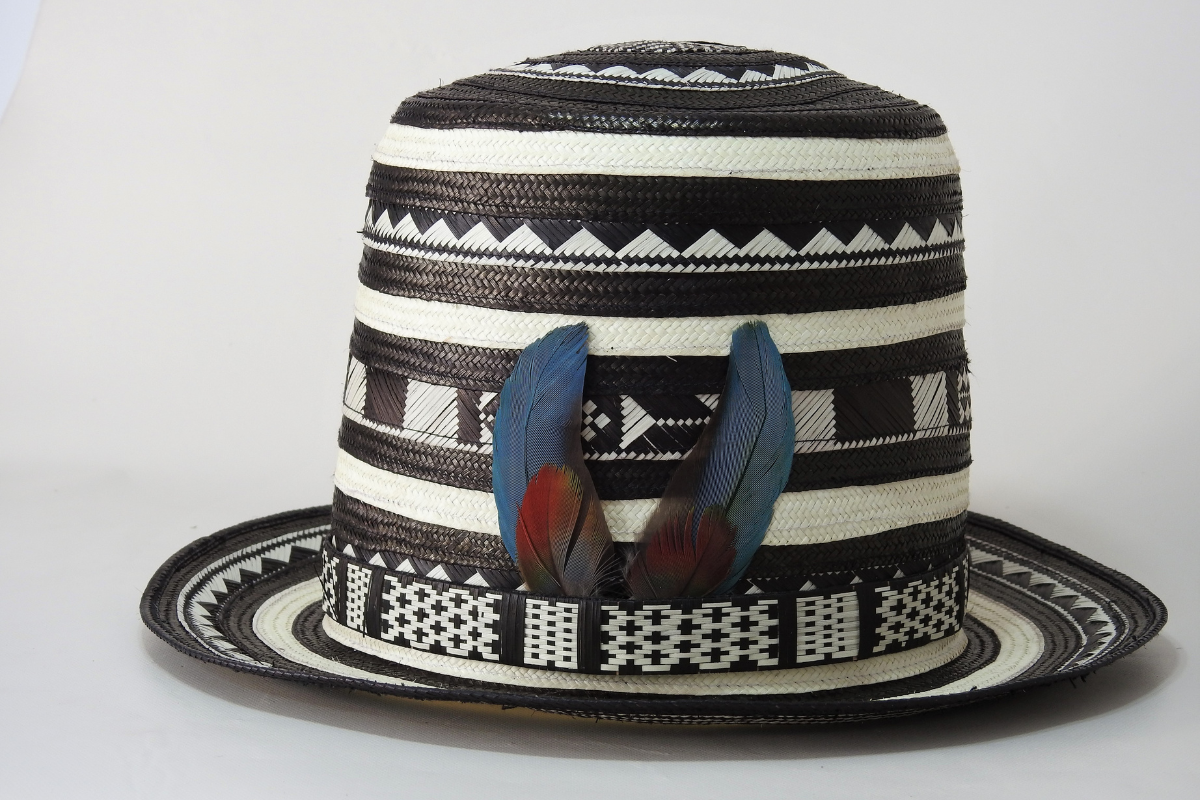
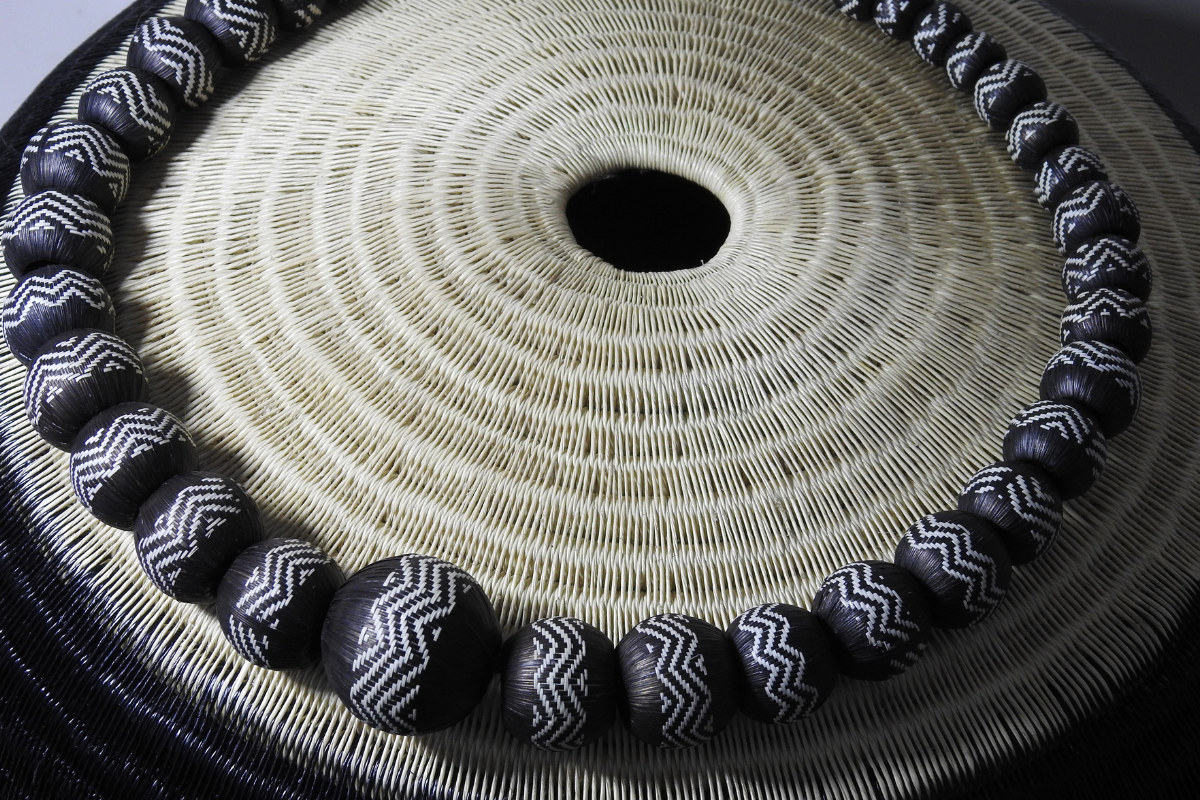
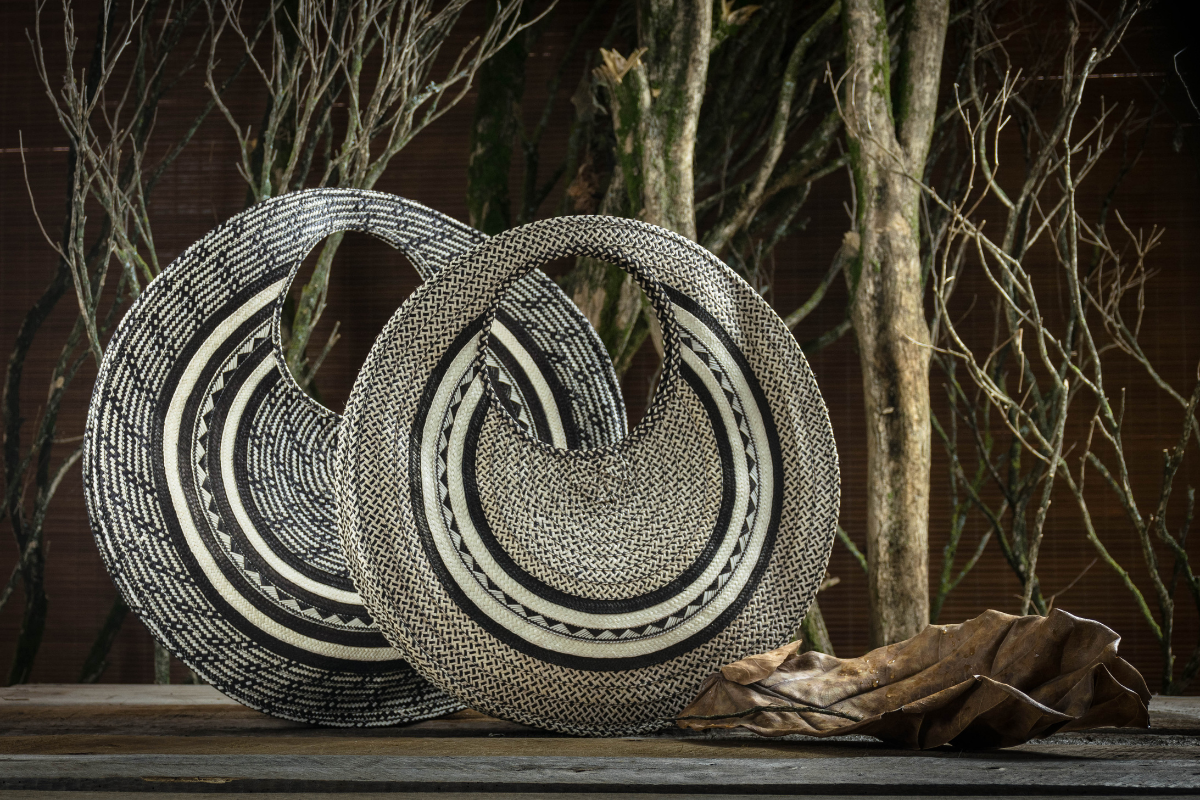
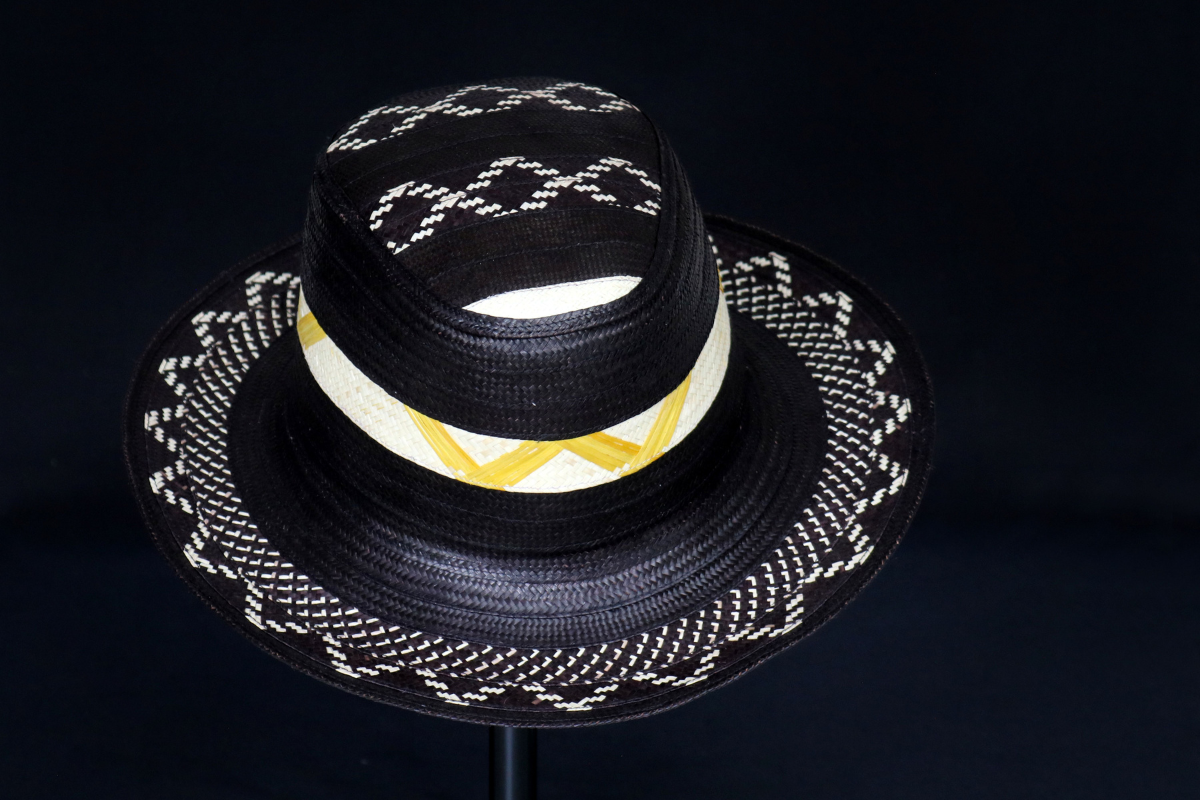
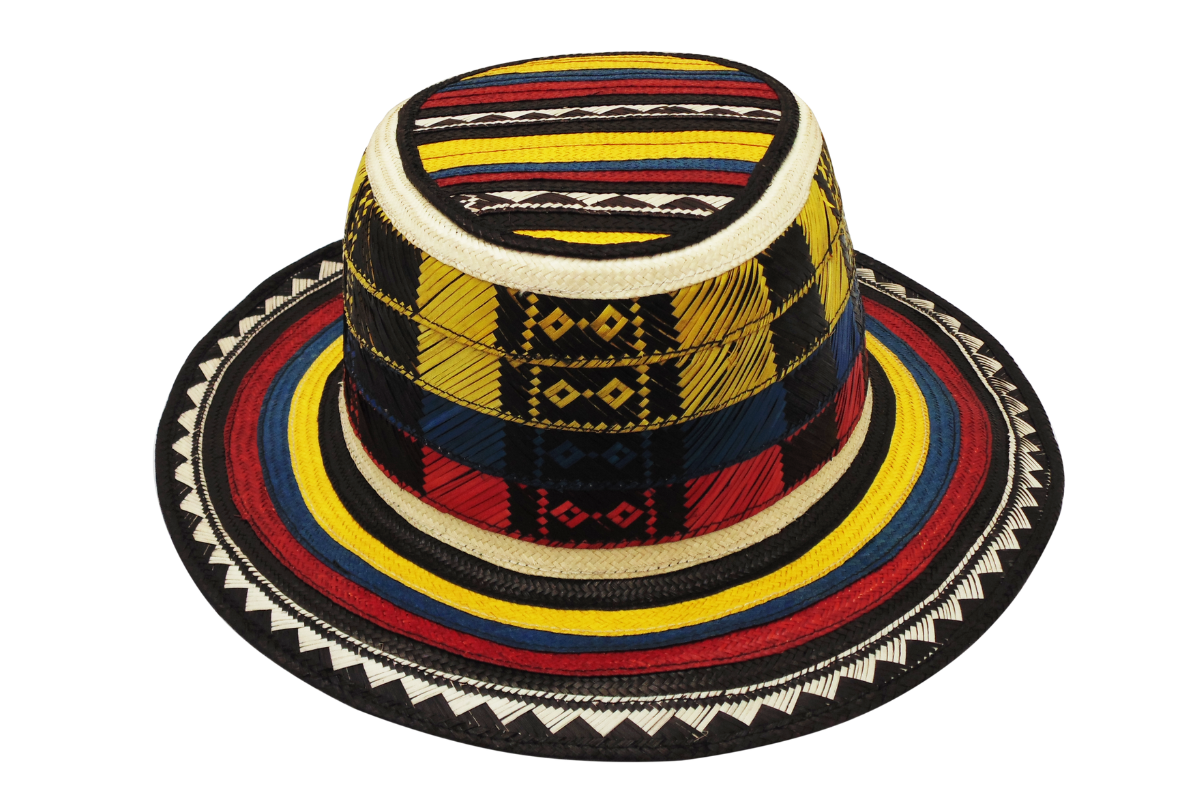
The Zenú artisan community works with arrow cane fiber (*Gynerium sagittatum*), a natural material cultivated, harvested, and transformed through an ancestral process that reflects both family roles and cultural identity. After the plant is harvested, the fiber is extracted by hand, scraped from the leaves, cut into thin flexible strips (“arrows”), washed, dried, and often dyed using local plants and natural materials such as leaves, roots, seeds, mud, clays, and minerals (with occasional industrial dyes for brighter tones). Women primarily lead the braiding and weaving, forming braided ribbons whose thread count—often ranging from 9 to 28 pairs—directly influences quality, complexity, production time, and value; finer, stronger fibers and more intricate color work also increase the craftsmanship required. These techniques are used to create iconic pieces such as Vueltiao hats, which are finished with reinforced edges and designed to be foldable for easy transport. Beyond their function, each work carries Zenú symbolism through “pintas,” a distinctive geometric language that depicts elements of local fauna, territory, clans, borders, and cosmology—preserving a legacy passed down through generations and reinforcing a living connection to nature and Mother Earth while sustaining the community’s economy in the Tuchín reservation.
Zenu Community
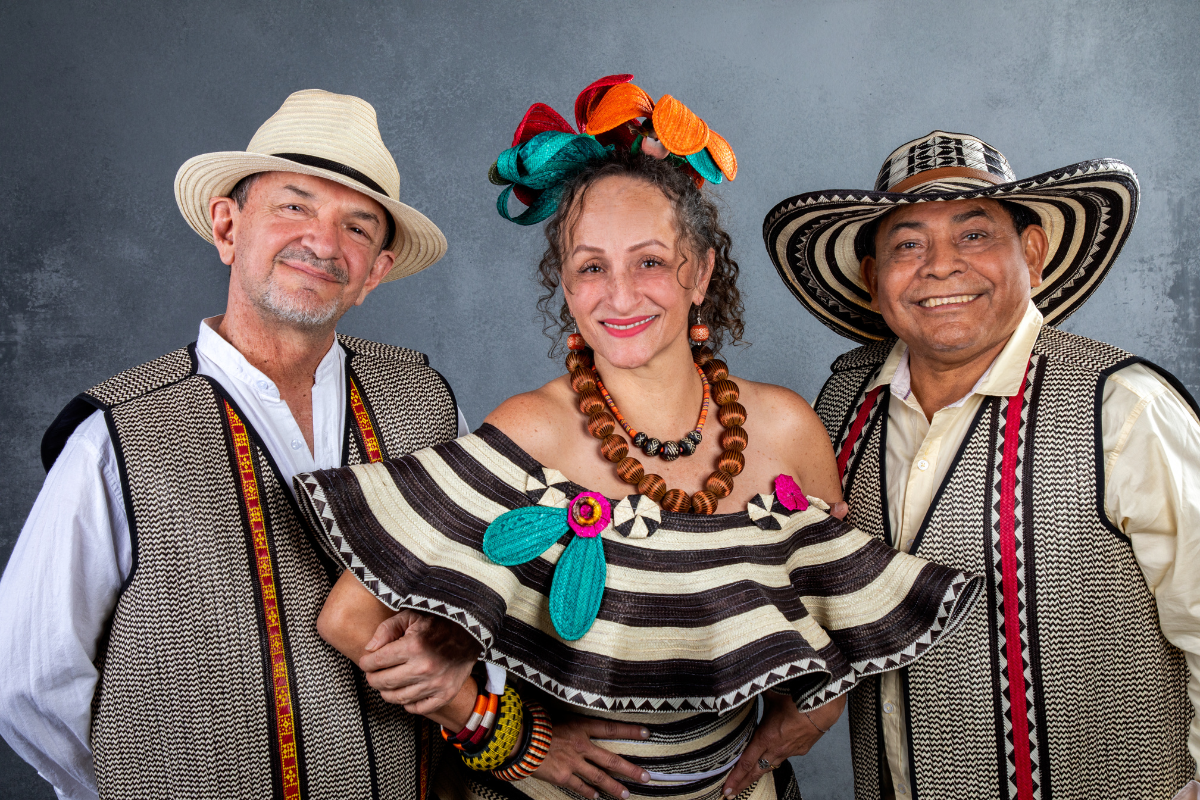
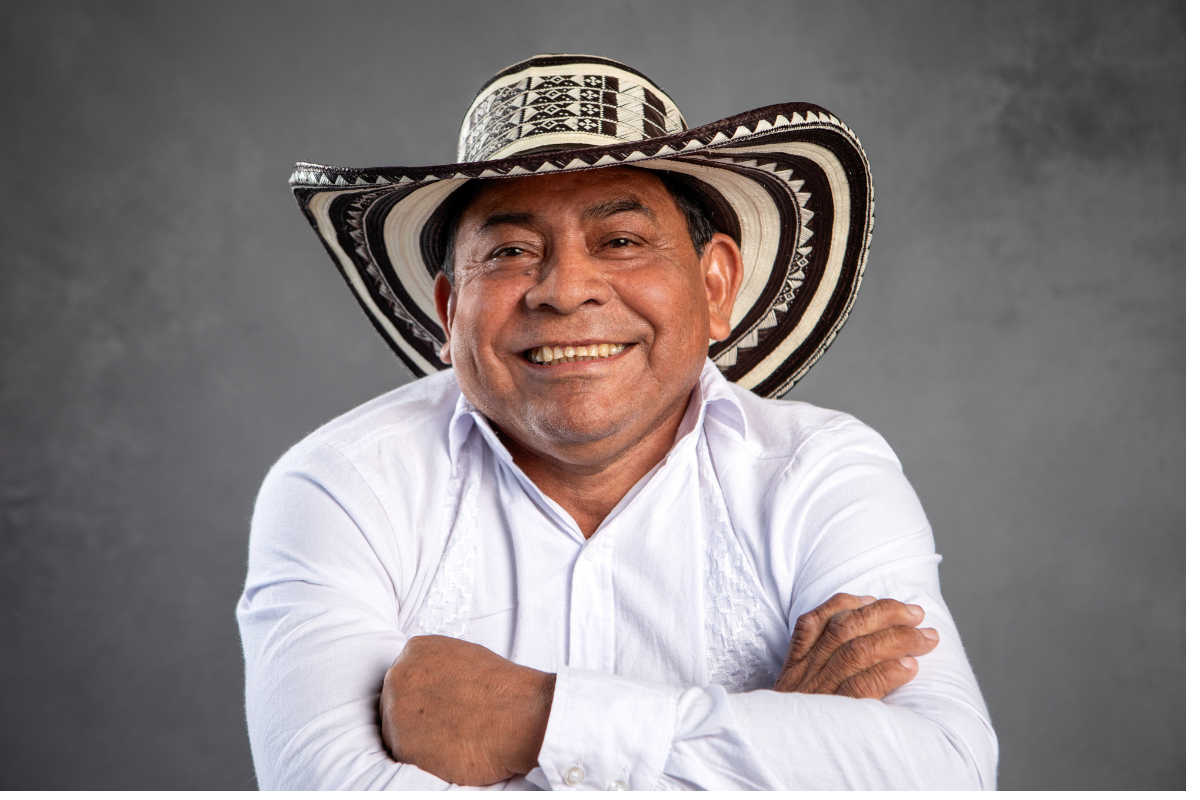
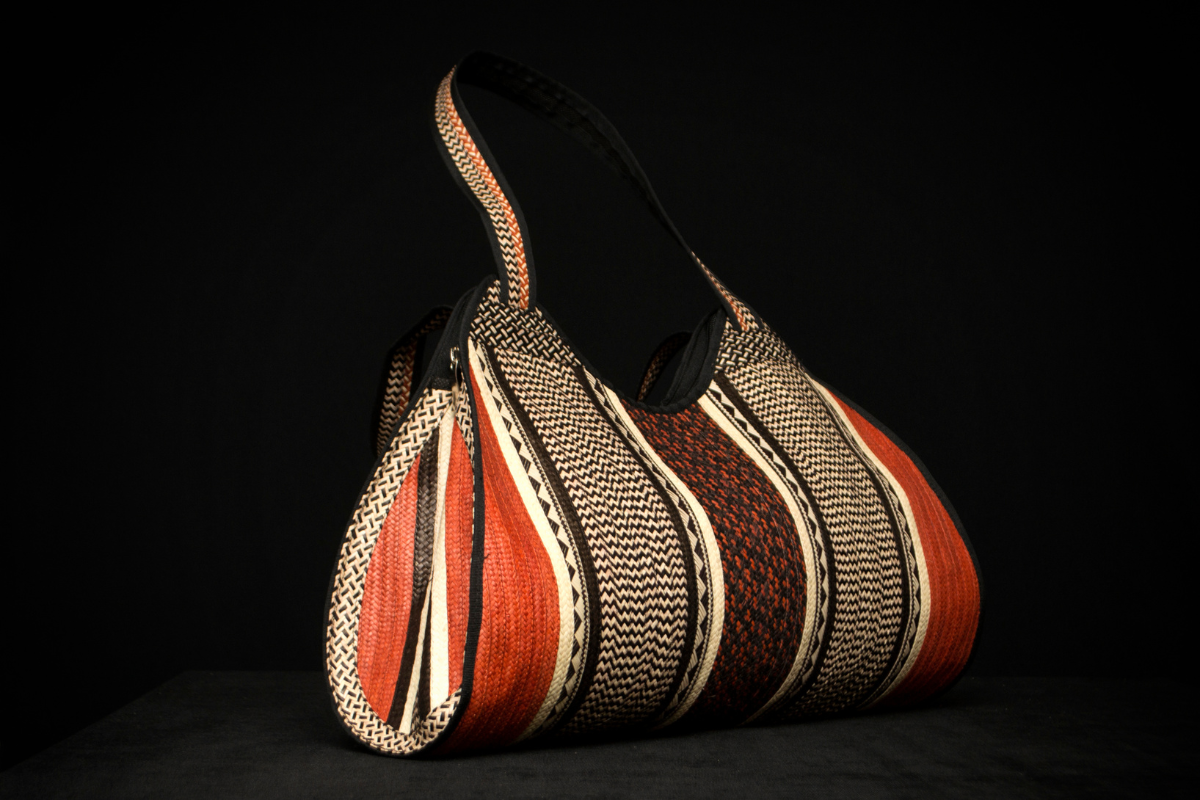
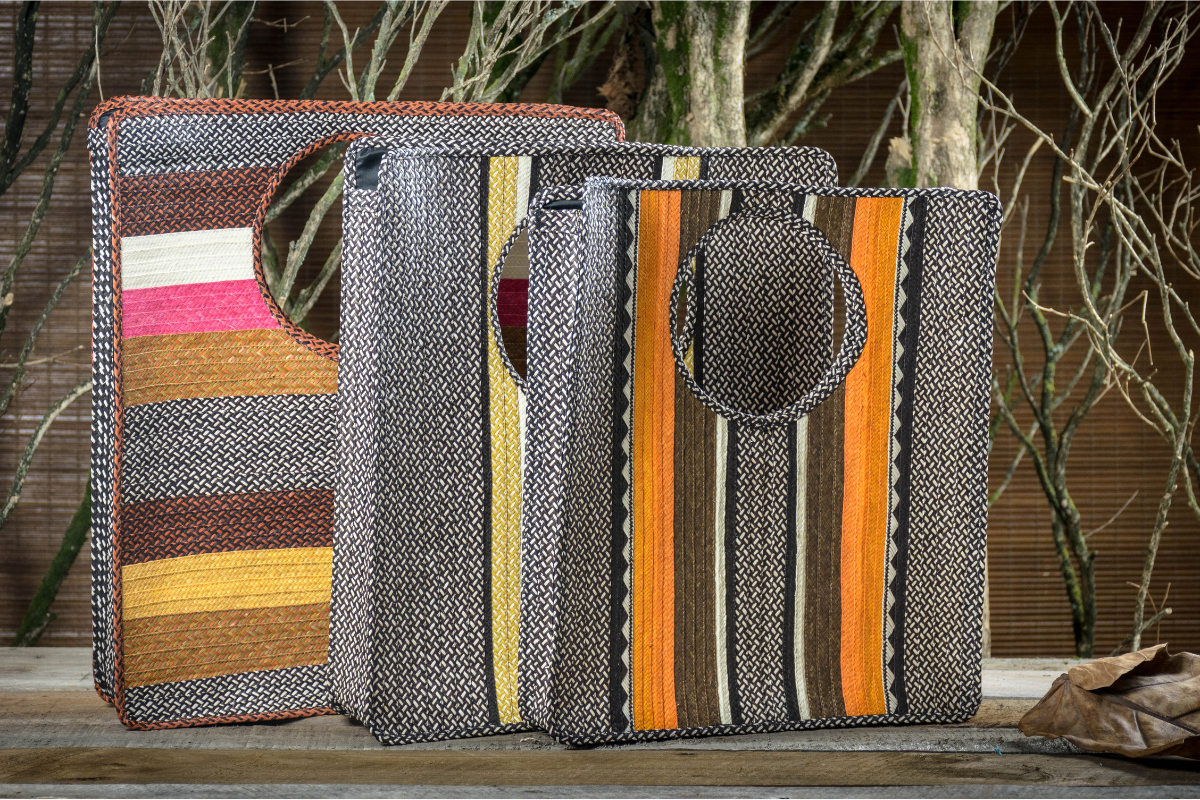
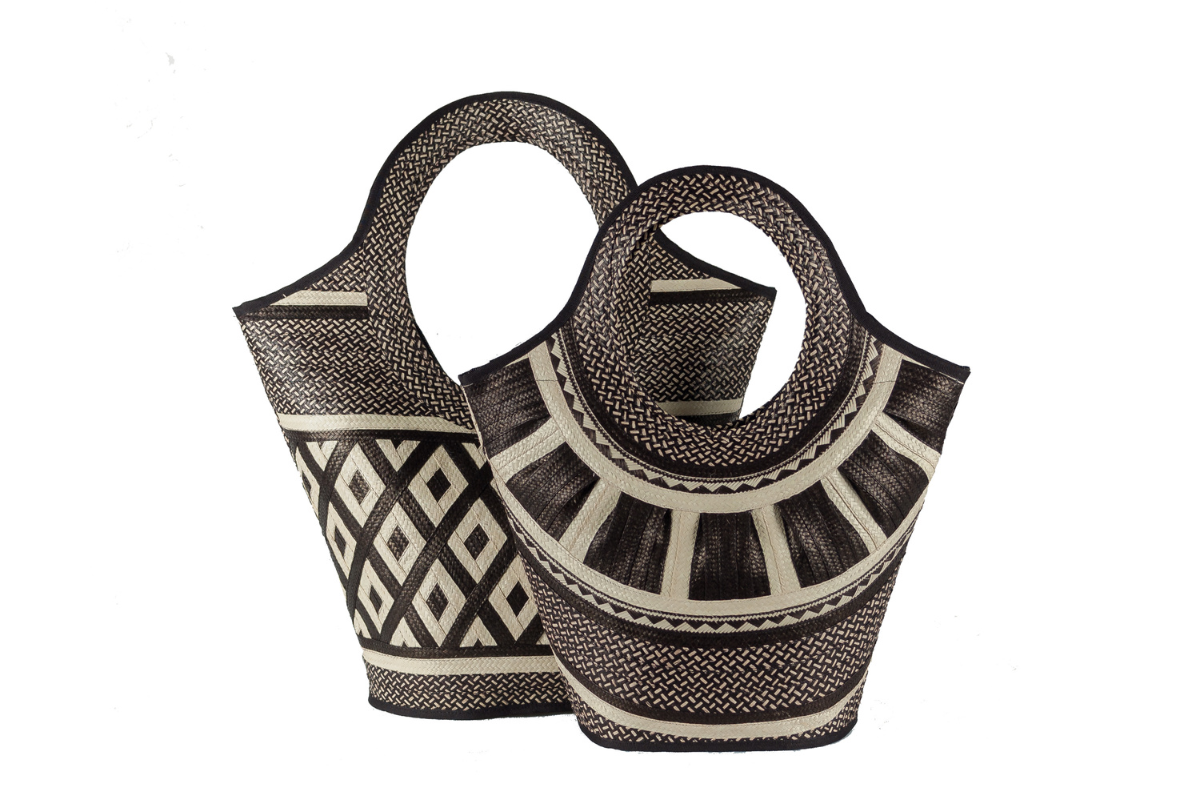
Their most emblematic creation is the sombrero vueltiao, meticulously handwoven from caña flecha (Gynerium sagittatum). The fiber is responsibly harvested, shaded, bleached or naturally dyed, and braided into strips that form the hat’s characteristic “vueltas.” Distinctive geometric motifs encode narratives of territory, lineage, and nature. Beyond the hat, artisans produce belts, handbags, placemats, and decorative pieces that combine durability, lightness, and refined restraint.