No products in the cart.
Another social reality is possible
The very first thought that came to me after spending 22 days in Vietnam was: “another social reality is possible.” We are too accustomed—or indoctrinated—to believe that the only viable system is American capitalism, of which all of Latin America is merely a poor and embarrassed copy. The rest of the world that does not follow this model is often reduced to “exoticism” and curiosity: people who eat rice and dogs, worship idols of a chubby, big-eared man, and manufacture all the trinkets the white master needs for his comfort.
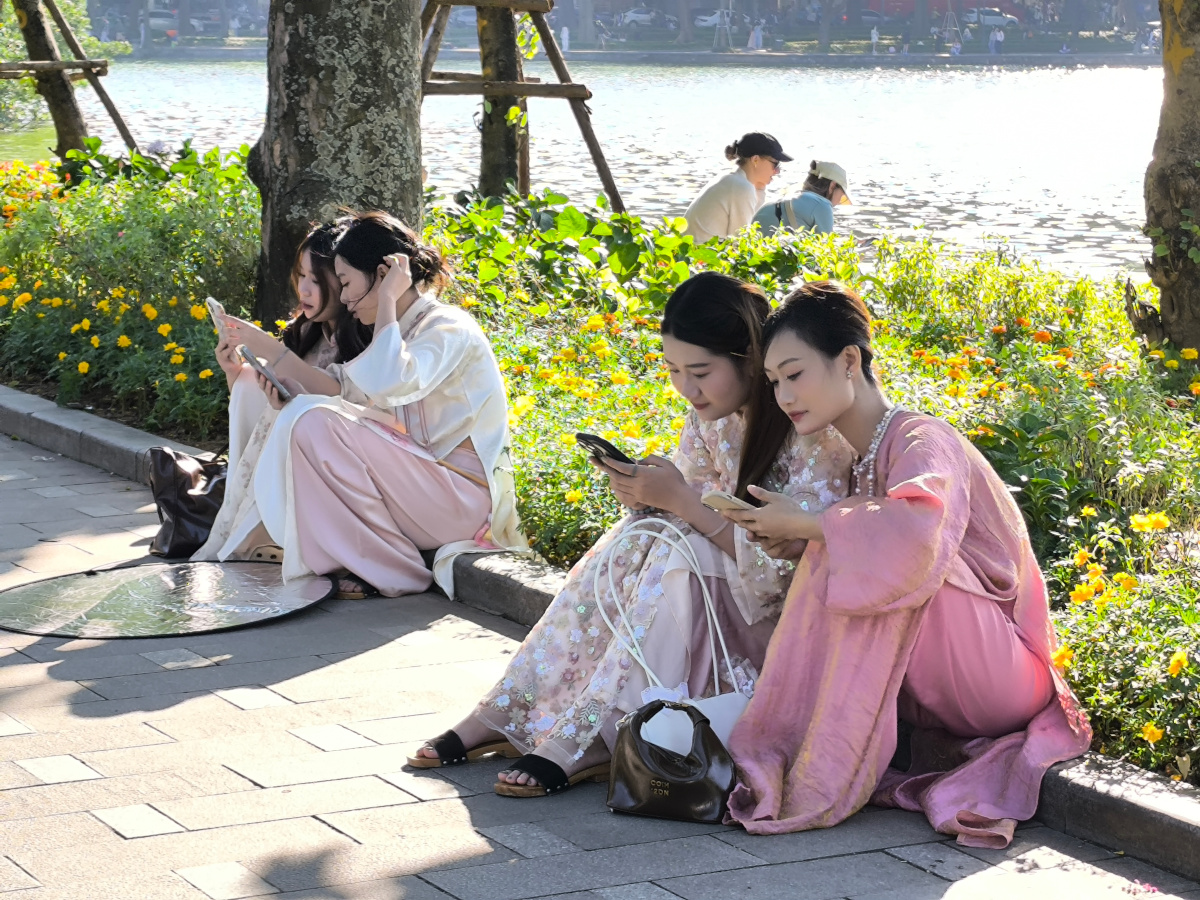
Yet, for the perceptive traveler—or anyone not fully contaminated by techno‑feudal modernity—the paradigm shift begins the moment you arrive at Asian airports. Everything flows kindly, without stress. Hanoi is a place where beauty and hardship coexist, but without a doubt, its people are the city’s greatest attribute. At first glance, it looks chaotic, but astonishingly, life flows without accidents or violence.
Food is diverse, healthy, and affordable. Young people appear vibrant, beautiful, and engaged in age‑appropriate activities. Honesty is common, not exceptional. Reports of theft, assaults, or murders are rare. I am not saying they are angels, but they are far from the demons that populate our streets in Latin America or the United States.
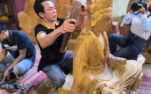
As a Colombian artisan representative at the first International Handicrafts Festival in Vietnam, I was treated like a cultural ambassador. Few flaws can be noted—perhaps excessive attention and too little time to exhibit, since much of our schedule was dedicated to meals and visits to artisan villages. These communities specialize according to a model called OVOP (One Village One Product). Perhaps this is a good theme for the second part of this blog.